When running an eCommerce business, managing orders, inventory, and shipping can quickly become overwhelming. This is where fulfillment centers come in. They play a vital role in the supply chain, ensuring that products get from your store to your customers quickly and efficiently. But what exactly is a fulfillment center, and how can it help your business?
What is a Fulfillment Center?
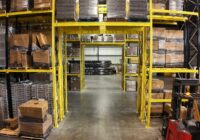
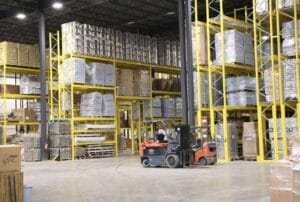
A fulfillment center is a facility where a third-party logistics (3PL) provider stores, picks, packs, and ships products on behalf of eCommerce businesses. They’re different from traditional warehouses because they go beyond just storage. These centers handle the entire order fulfillment process, ensuring your products reach customers promptly.
How Does a Fulfillment Center Work?
Fulfillment centers manage the following key processes:
- Inventory Storage: Products are delivered to the fulfillment center, where they are stored until orders are received.
- Order Processing: When a customer places an order, the fulfillment center receives the request and begins processing it.
- Picking and Packing: Warehouse staff or robots pick the items from the shelves, pack them securely, and prepare them for shipment.
- Shipping: The packed orders are then shipped to the customer via the chosen carrier, often using negotiated shipping rates for cost efficiency.
- Returns: Fulfillment centers also handle returns, ensuring products are restocked or returned to the vendor as necessary.
Fulfillment Centers vs. Warehouses
While warehouses and fulfillment centers may seem similar, they serve different purposes. Warehouses are primarily used for storage, often on a long-term basis, while fulfillment centers focus on speed and efficiency in order processing and shipping. In other words, fulfillment centers are more active spaces, with real-time processing and automation to manage inventory and fulfill orders quickly.
Read more on this here: Distribution Center vs Fulfillment Center
How to Choose the Right Fulfillment Center for Your Business
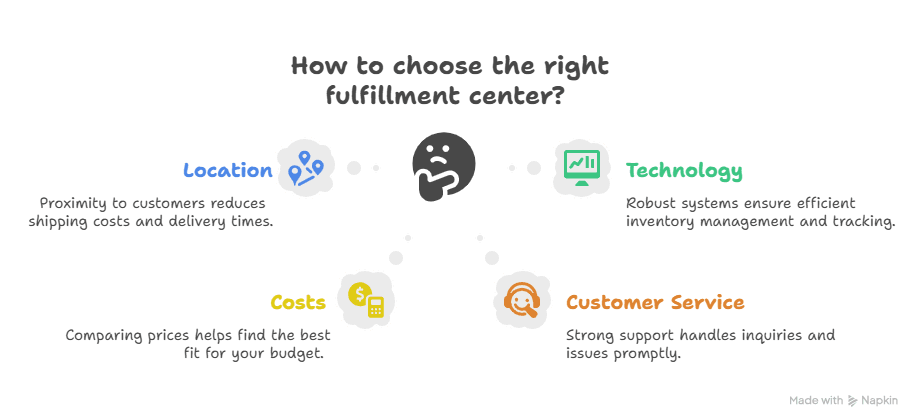
When selecting a fulfillment center, consider the following factors:
- Location: Choose a fulfillment center close to your target customers to reduce shipping costs and delivery times.
- Technology: Ensure the center offers robust inventory management systems (WMS), real-time tracking, and integration with your eCommerce platform.
- Costs: Compare pricing for storage, picking, packing, and shipping to find the best fit for your budget.
- Customer Service: Look for a provider with strong customer support to handle inquiries, returns, and potential issues promptly.
Common Misconceptions About Fulfillment Centers
Some businesses assume that fulfillment centers are only for large-scale operations or that they’re always more expensive than managing fulfillment in-house. However, many fulfillment centers cater to small and medium-sized businesses, offering scalable solutions that can grow with your needs, often at a more cost-effective rate than handling everything internally.
How Fulfillment Centers Integrate with Your eCommerce Platform
Fulfillment centers seamlessly integrate with eCommerce platforms like Shopify, WooCommerce, and BigCommerce. This ensures real-time order processing and accurate stock updates, minimizing errors and keeping everything in sync automatically. This integration streamlines operations, so you don’t have to manually track inventory or update orders.
The Role of Customer Service in Fulfillment Centers
Some fulfillment centers provide customer service beyond just order fulfillment. They handle customer inquiries, provide order tracking details, and resolve issues like incorrect or delayed shipments. This can be a valuable service for businesses looking to maintain high levels of customer satisfaction without expanding their team.
Benefits of Using a Fulfillment Center
- Speed and Efficiency: Fulfillment centers optimize the entire order process, ensuring faster delivery times, often with same-day or next-day shipping options.
- Reduced Shipping Costs: Partnering with a fulfillment center allows you to take advantage of bulk shipping discounts, lowering your shipping expenses.
- Scalability: As your business grows, fulfillment centers can easily scale to meet higher demand, reducing the need for you to manage increased inventory and shipping logistics.
- Advanced Technology: Fulfillment centers use cutting-edge technologies like Warehouse Management Systems (WMS), barcode scanning, and even robots to streamline operations and reduce human error.
Tips for Optimizing Your Inventory in Fulfillment Centers
Efficient inventory management is key to avoiding issues like stockouts or overstocking. Here are a few tips:
- Track Sales Trends: Use the data provided by the fulfillment center to forecast demand and adjust inventory accordingly.
- Replenish Strategically: Maintain optimal stock levels without overburdening the storage space. Work closely with your fulfillment partner to keep track of fast-moving products.
- Seasonal Planning: Make sure to adjust inventory levels during peak seasons to meet increased demand.
How Fulfillment Centers Handle Seasonal Demand
Fulfillment centers are built to handle fluctuations in demand, especially during high-volume periods like holidays or sales events. They can scale labor and operations to meet these demands, ensuring that orders are processed quickly even during peak seasons.
How Automation Improves the Fulfillment Process in a Fulfillment Center
Automation in fulfillment centers includes technologies like robotic picking, automated conveyors, and warehouse management systems (WMS) that help speed up the order picking, packing, and shipping processes while reducing errors and increasing efficiency.
Security Measures in Fulfillment Centers to Protect Your Inventory
Fulfillment centers prioritize security with surveillance systems, restricted access areas, and insurance to protect against theft and damage. Many centers also offer additional protections like product labeling and packaging for added security during transit.
What to Look for in a Fulfillment Center’s Technology Stack
Make sure the fulfillment center uses modern technology to streamline your business operations. Key elements include:
- Warehouse Management Systems (WMS): For real-time inventory tracking.
- Barcode Scanning: To reduce errors during picking and packing.
- Robotic Picking: For faster and more accurate order fulfillment.
- Reporting and Analytics: To monitor inventory levels and track business performance.
Fulfillment Centers vs. Amazon Fulfillment Centers
Amazon’s fulfillment centers (FBA) are among the most well-known, providing a robust infrastructure for eCommerce sellers. However, they come with additional fees and some limitations on customization. Third-party fulfillment centers, on the other hand, often offer more flexibility, custom branding, and control over your product’s journey from storage to delivery.
How to Transition from In-House Fulfillment to a Fulfillment Center
Switching to a fulfillment center is a big step. To make the transition smooth:
- Assess your needs: Understand your inventory volume, order processing speed, and customer expectations.
- Communicate clearly: Work closely with your fulfillment center to ensure they understand your requirements.
- Gradually phase out in-house fulfillment: Start by outsourcing part of your operations and then scale as needed.
Conclusion
A fulfillment center can be a game-changer for your eCommerce business. By outsourcing the logistics to a specialized provider, you can focus on what you do best—growing your business—while leaving the complexities of order fulfillment to the experts. Whether you’re a small startup or a growing business, a fulfillment center offers a flexible, scalable solution for handling your orders, improving customer satisfaction, and reducing operational costs.
FAQs
1. How to Choose the Right Fulfillment Center for Your Business
When choosing a fulfillment center, consider key factors such as location (for fast shipping), technology (real-time inventory management), and cost efficiency. Evaluate customer service to ensure they can handle inquiries, returns, and special requests.
2. Common Misconceptions About Fulfillment Centers
A common myth is that fulfillment centers are only for large businesses. In reality, they can benefit businesses of all sizes, offering scalability and cost savings. Another misconception is that they are always more expensive than in-house fulfillment, but many businesses find them more affordable, especially with bulk shipping discounts.
3. How Fulfillment Centers Integrate with Your eCommerce Platform
Fulfillment centers integrate seamlessly with popular eCommerce platforms like Shopify, WooCommerce, and BigCommerce. This integration allows for automatic order processing, real-time stock updates, and synchronized data between your store and the fulfillment provider.
4. The Role of Customer Service in Fulfillment Centers
Some fulfillment centers go beyond just order processing. They manage customer inquiries, handle returns, and resolve issues, providing an additional layer of customer service that helps improve satisfaction and retain customers.
5. Tips for Optimizing Your Inventory in Fulfillment Centers
To optimize your inventory, use demand forecasting tools to predict sales trends and avoid overstocking. Regularly monitor stock levels, and ensure efficient storage management to minimize holding costs and stockouts.
6. How Fulfillment Centers Handle Seasonal Demand
Fulfillment centers can scale up operations during peak seasons, such as holidays or special sales. They adjust staffing, inventory levels, and shipping resources to handle the increased volume while ensuring timely deliveries.
7. What to Look for in a Fulfillment Center’s Technology Stack
When evaluating a fulfillment center, look for advanced technologies like Warehouse Management Systems (WMS), barcode scanning, and real-time tracking. These features ensure smooth operations, reduce errors, and provide transparent inventory management.
8. Environmental Impact of Fulfillment Centers and Sustainability Initiatives
Many fulfillment centers are adopting sustainable practices, such as reducing packaging waste, using electric vehicles for delivery, and optimizing warehouse energy usage to minimize their environmental footprint.
9. Security Measures in Fulfillment Centers to Protect Your Inventory
Fulfillment centers prioritize security with surveillance systems, restricted access areas, and product insurance. They also use secure packaging practices to protect your inventory from theft or damage during storage and shipping.
10. How to Transition from In-House Fulfillment to a Fulfillment Center
Transitioning involves assessing your fulfillment needs and selecting a fulfillment partner. Start by outsourcing part of your process to the fulfillment center, ensure seamless integration with your eCommerce platform, and gradually scale up as you become familiar with their services.